IMO Adopts First Global Code for Autonomous Ships
The IMO's new MASS Code sets a goal-based framework for autonomous and remotely operated ships, taking effect on a voluntary basis with a mandatory code targeted for 2032.
At its 111th session in May 2026, the IMO Maritime Safety Committee adopted the International Code of Safety for Maritime Autonomous Surface Ships (MASS Code), a goal-based framework designed to ensure that autonomous and remotely operated ships achieve the same level of safety, security and environmental protection as conventional vessels.
The Code took effect on 1 July 2026 on a non-mandatory basis. An experience-building phase is now under way, and work continues on a mandatory code, which is currently targeted to enter into force in 2032.
The same session adopted other important measures, including amendments allowing remote inspection techniques in surveys of bulk carriers and oil tankers from 2028, and approved new interim guidelines for ships using hydrogen as fuel.
LIMA Expert Insight
Autonomy does not remove people from shipping; it changes their roles. Remote operators, shore-based controllers, surveyors and regulators will all need new competencies in supervising automated systems, managing cyber risk and handling the transition between automated and human control.
Sources and references
DNV — DNV, IMO MSC 111: New MASS Code adopted
Related stories
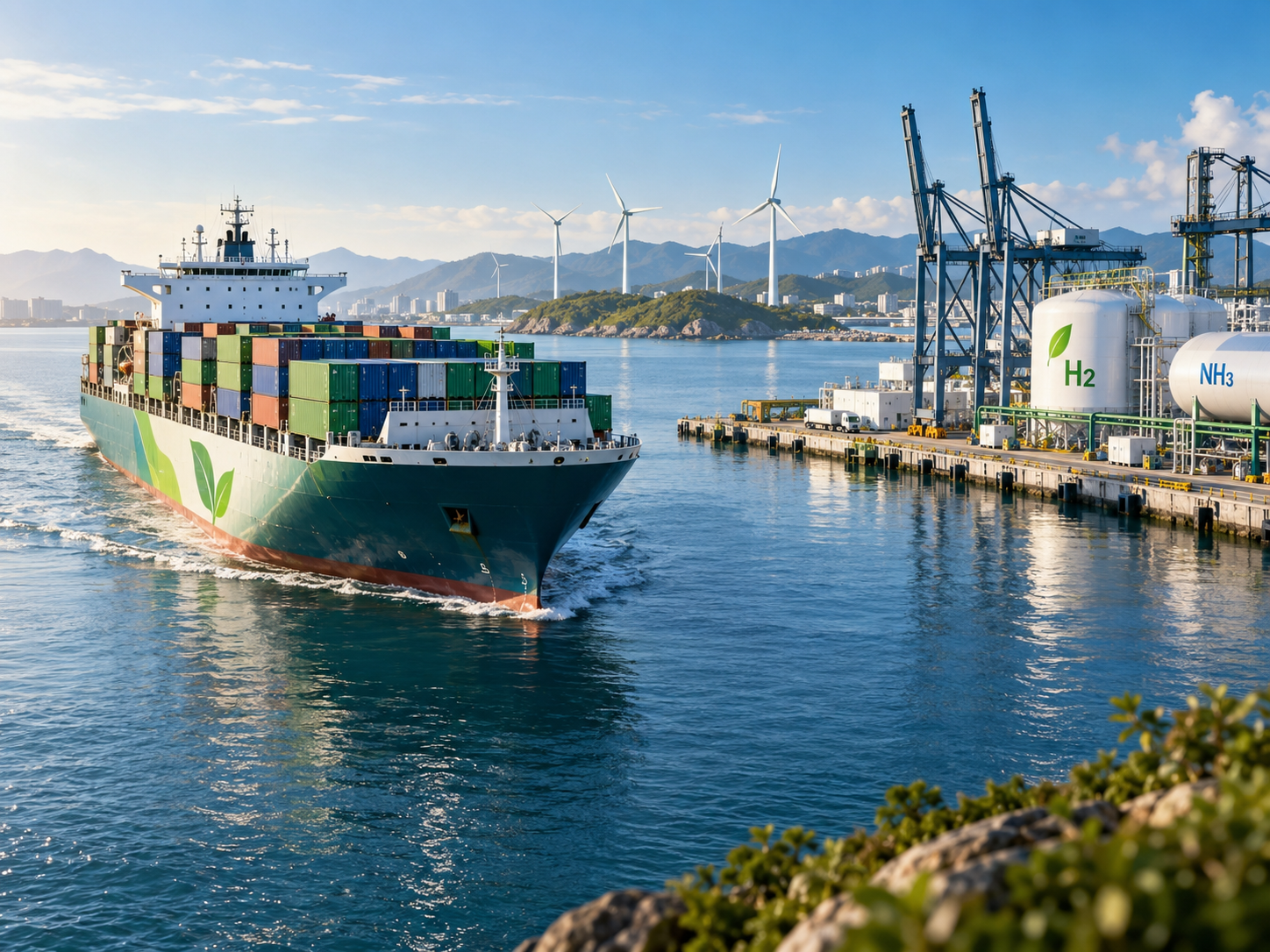 Decarbonisation & Alternative Fuels
The IMO Net-Zero Framework: FAQs
Source: IMO · 30 Sept 2026
The IMO's own explainer on how the proposed framework, fund and fuel standard would work.
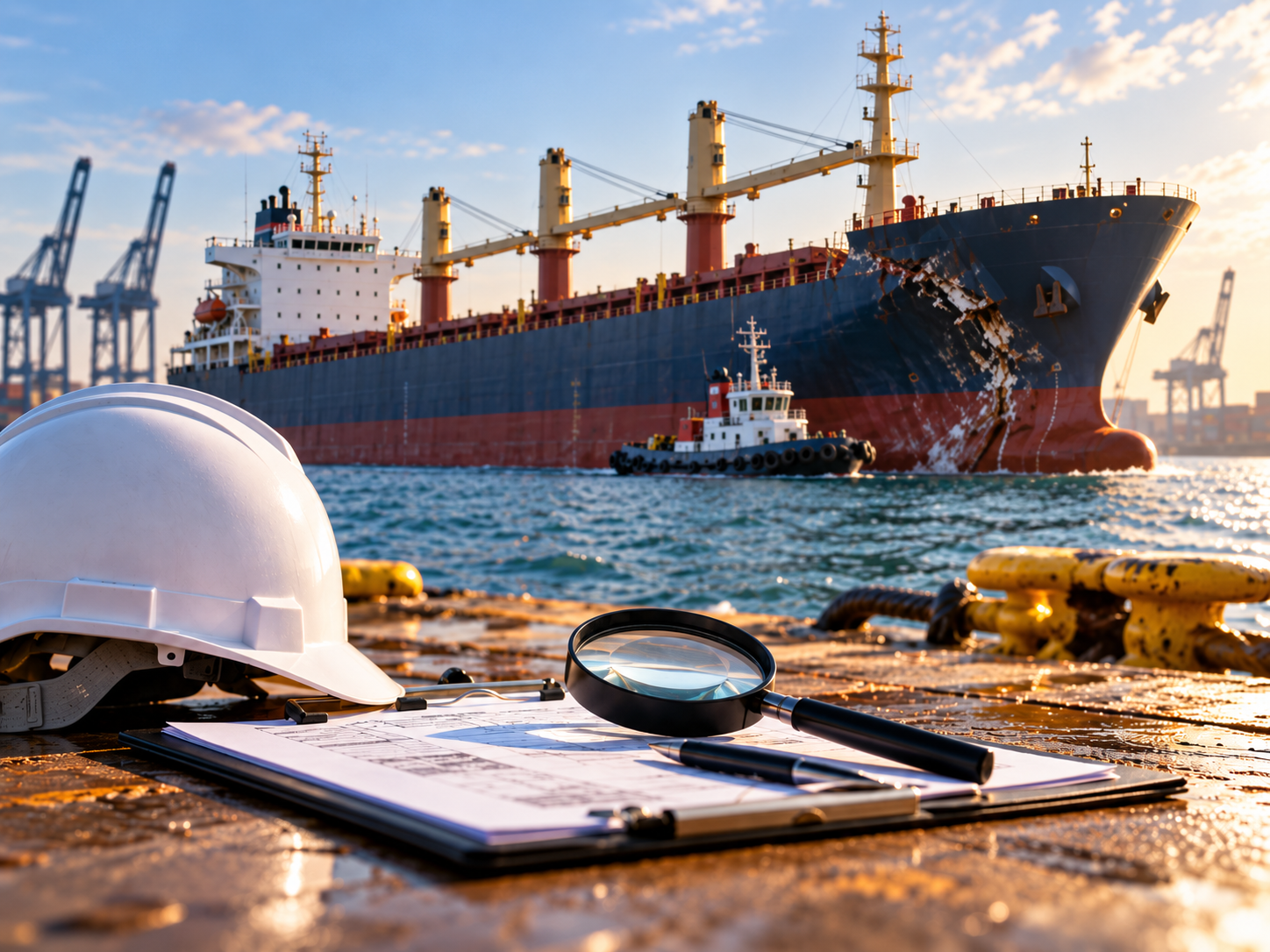 Safety & Casualty Lessons
Marine Accident Investigation Branch: Latest Reports
Source: UK MAIB · 30 Sept 2026
Recent reports include a fatal collision in the German Bight and a loss of propulsion in heavy weather on a passenger ship.