The Shore Blind Spot: Why Maritime Training Must Look Beyond the Ship
By By the LIMA Faculty
When something goes wrong at sea, the investigation usually starts on the bridge, but the conditions that lead to incidents are often created ashore long before the ship leaves port.
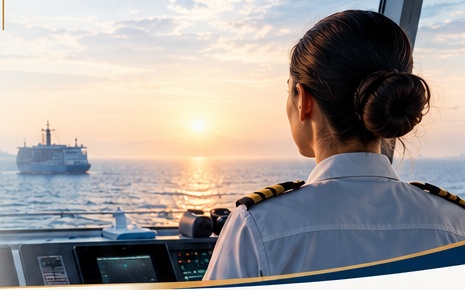
When something goes wrong at sea, the investigation usually starts on the bridge or in the engine room. Who was on watch? What did they see? What did they do? These are the right questions to ask, but they are rarely the whole story.
Behind every ship stands an organisation ashore. Superintendents decide when maintenance is carried out and how budgets are spent. Designated Persons Ashore oversee the safety management system and decide how reported concerns are handled. Port teams plan berthing, cargo operations and turnaround times. Executives set commercial pressures and the tone of the safety culture. Many of the conditions that lead to an incident are created in these offices long before the ship leaves port.
Yet across the industry, most training investment is directed at crews. Seafarers are rightly required to hold certificates of competence and to refresh them regularly. Shore-based roles that shape their working conditions are often filled by experienced people who have never received structured training in root cause analysis, human factors, planned maintenance strategy or managing change.
The result is a familiar pattern. An incident is recorded as "human error" on board, corrective action is aimed at the crew, and the underlying organisational causes remain in place, waiting for the next ship and the next crew.
Tackling the shore blind spot does not require new regulation. It requires organisations to treat shore-based competence with the same seriousness as competence at sea. In practice, that means three things.
First, train the people who manage risk, not only those who are exposed to it. Superintendents, DPAs, fleet managers and port operations leaders should receive structured training in incident investigation, human factors and safety leadership.
Second, look for causes, not culprits. Investigations should routinely ask what decisions, pressures and systems ashore contributed to an event, and corrective actions should target them.
Third, bring ship and shore together. Joint training that puts masters, officers, superintendents and managers in the same room builds shared understanding and trust, and it surfaces problems that neither group sees alone.
As the industry adopts new fuels, new technologies and new rules, the decisions made ashore will matter more than ever. The companies that invest in their shore teams today will be the ones that avoid tomorrow's incidents.
LIMA Expert Insight
The companies that invest in their shore teams today, in incident investigation, human factors and safety leadership, will be the ones that avoid tomorrow's incidents.
Sources and references
LIMA — LIMA Expert Insight